

Thriving in Retirement: This Week’s Economic Headlines & What They Mean for Your Future
Who’s Selling US Treasuries – And Why You Should Care

Norway’s sovereign wealth fund, the world’s largest, is considering trimming its $75 billion of US Treasury holdings due to concerns about US debt.
Source:
Reuters - Norway's Fund Signals Treasury Sale
Commentary:
The world’s largest investors voting with their dollars should make every retiree take notice. Interest rates and bond values in your portfolio are directly affected by these big players. If global funds start selling, yields may rise, and existing bond values can fall. For those in or near retirement—when capital preservation is often paramount—this highlights the need to stay diversified, maintain a flexible income strategy, and regularly review risk in your fixed income positions. We watch these moves so you don’t have to, ensuring your nest egg isn’t too reliant on any one “safe” asset class.
Student Loan Defaults Surge; Collection Efforts Rise
Over 5 million Americans now face continuous wage and tax garnishment due to defaulted student loans.
Source:
The Wall Street Journal - Student Loan Collections
Commentary:
For many retirees, this isn’t just a distant news story—grandparents and parents sometimes co-sign or help relatives with education costs. If you’ve extended help, be aware: government collectors have broad powers, and default traps aren’t just for the young. Stay vigilant about any obligations tied to your name. And for those considering helping loved ones, let’s strategize together so your security and income streams always come first.
Health Benefit Costs Set for Highest Jump Since 2003

Employers expect 8.2% higher per-employee health benefit costs in 2027, the biggest annual jump in nearly 25 years.
Source:
Marsh McLennan - Health Trends 2027
Commentary:
This is a red flag for future health expenses—one that is amplified for anyone on a fixed income. Retirees see the compounding effects of even “average” medical inflation, and dramatic spikes like this one can erode purchasing power quickly. As healthcare costs rise, even supplemental plans may see premium hikes. We address these realities in your plan: reviewing Medigap and Medicare Advantage annually, building increasing health expenses into your budget, and maintaining a reserve for out-of-pocket spikes. Proactive health planning is your best defense against unpleasant surprises.
In a Higher Rate World, Operational Excellence Matters
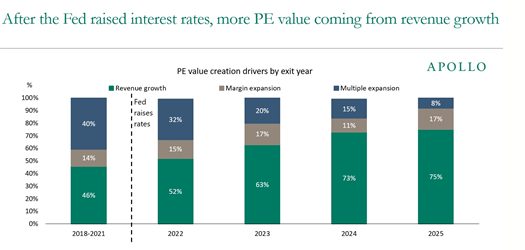
Apollo data shows more private equity value growth now comes from revenue gains rather than financial engineering in a high-rate era.
Source: Apollo - Private Equity Under Rising Rates
Commentary:
For investors, this is a wake-up call: Gone are the days when companies could rely on cheap debt to fuel expansion and profits. Strong, well-run businesses are the ones that thrive when rates rise. In retirement planning, it means we should feel good about investments in firms that innovate, manage costs, and deliver value—not just juggle their balance sheets. The takeaway for your retirement portfolio is clear: quality and operational resilience matter more than ever, both for peace of mind and lasting returns.
Consumer Sentiment: Weaker Than You Think
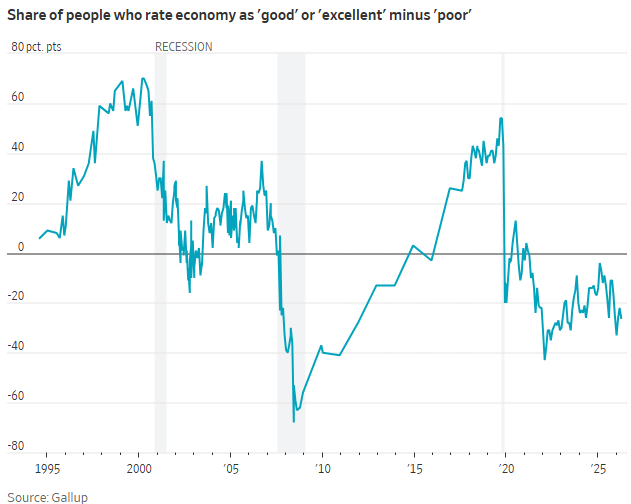
Gallup’s latest chart shows more Americans rate the economy as “poor” rather than “good/excellent.”
Source: Gallup - US Economic Confidence
Commentary:
Whether or not you feel the economy’s pain in your day-to-day, the overall national mood has a real impact on markets, interest rates, and even policy decisions. When consumer sentiment is low, spending stalls, which can slow recoveries and dampen investment growth. For retirees, this means market volatility may persist, and caution is warranted with major purchases or withdrawals. Focus on what you can control: a solid withdrawal strategy, regular portfolio check-ins, and celebrating the financial freedom you’ve earned.
The High(est) Cost of Borrowing is Back
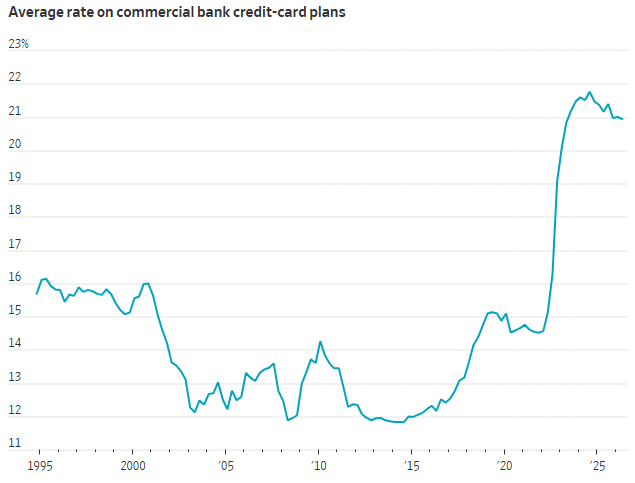
Millennials (and others) are turning to credit cards again, with average interest rates at record highs.
Source: Federal Reserve - Credit Card Interest Rates
Commentary:
Interest rates north of 20% make carrying any credit card balance financially toxic. For retirees, avoiding or minimizing debt should always be the goal; even small balances can snowball and jeopardize your income plan. If you’re considering helping family financially, resist the urge to use high-rate credit—your security is too important. Let’s work together to keep your debt low and your peace of mind high.
Seniors Now Outnumber Young Kids for the First Time
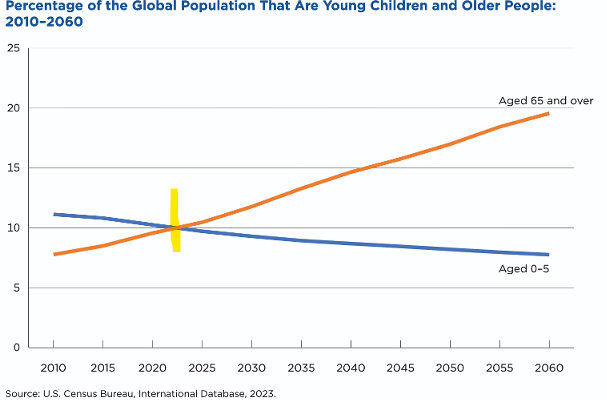
The population of people over 65 exceeds those under 5 globally, a first in history.
Source: US Census Bureau - Global Aging Reports
Commentary:
We are living in a new era of longevity. This dramatic shift has a profound effect on everything from healthcare and social services to investment markets and housing. For retirees, the bottom line is clear: We should plan for a retirement that could span 30 years or more! Longevity means more opportunity—but also a greater risk of running out of money. Your plan must evolve for this longer horizon, blending growth, guaranteed income, and flexible spending.
Three for One: Retirement Realities by the Numbers
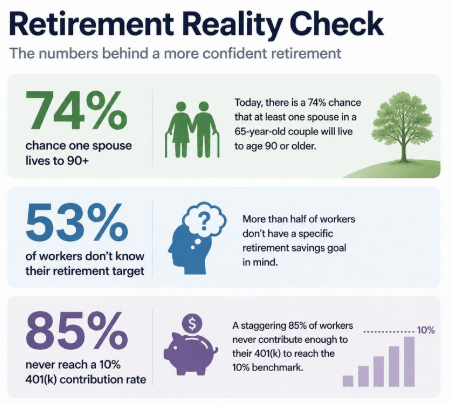
- 74% chance one spouse lives to 90+
- 53% of workers don’t know their retirement target
- 85% never reach a 10% 401k contribution rate
Source: J.P. Morgan Asset Management - Retirement Insights
Commentary:
These numbers are powerful reminders that most people underestimate both how long they’ll live and how much they’ll need. Strategic retirement planning should focus on specific, reachable goals—like contribution rates and spend-down strategies. Don’t settle for generic advice: know your number, build your habits, and focus on creating a plan that supports a possible 30+ year retirement. With the odds of a long life, preparation isn’t just smart—it’s essential.
Don’t Concentrate Too Much: Even Giants Take Risks

Three customers account for 54% of Nvidia’s revenue, according to their latest 10-Q.
Source:
NASDAQ - Nvidia 10-Q
Commentary:
It’s a classic investing lesson: If the biggest, best-performing company in the hottest sector is still this concentrated, what does that say about the risks in your own portfolio? Retirement is about avoiding nasty surprises and concentrating on consistency. A strong plan spreads assets across stocks, sectors, and geographies, so no single setback can derail your lifestyle or future.
Cybersecurity Blind Spots Remain Widespread

Just 63% of organizations have a comprehensive incident response plan in case of a cyberattack, per TransUnion.
Source:
TransUnion - Cybersecurity Study
Commentary:
This matters more now than ever, as retirees increasingly manage their assets online. Cyber threats could jeopardize more than “just” your identity—they can disrupt your financial security. You lock your doors at night; it’s time to lock your digital life with two-factor authentication, regular password updates, and regular account monitoring. Staying on top of security is just as essential as balancing your checkbook or monitoring investments in retirement.
Family Businesses Fade: A Generation Shift

By 2035, just 28% of US businesses will be family-owned, down from 65% today, says KPMG.
Source:
KPMG Study - Future of Family Business
Commentary:
As family businesses fade, many face major transitions. If your wealth or future plans rely on a business, now is the time to start succession and estate planning. Selling, gifting, or transitioning ownership can be complicated and involves emotional and financial considerations. Whether passing a legacy to your children or cashing out, your retirement security should always take top priority. These trends also open doors for retirees seeking part-time consulting or mentorship roles—a great way to stay connected and purposeful.
Medicare Costs Fuel Massive Borrowing

Medicare accounts for a third of US government borrowing now, projected to surpass half over the next decade—totaling $40 trillion and rising.
Source:
CRFB - US Health Spending Outlook
Commentary:
Healthcare promises from the government are under strain. Retirees should expect ongoing changes to coverage, premiums, and possibly even benefits. Stay informed and flexible—each year, review your Medicare plan and supplemental options, and have a strategy for covering possible gaps or changes. The right preparation ensures these large-scale trends don’t derail your retirement security or peace of mind.
Energy Prices Spike—Again

The latest Producer Price Index shows energy up 4.2% month-over-month, and a staggering 24% year-over-year.
Source:
Bureau of Labor Statistics - PPI Energy Data
Commentary:
Energy costs ripple into everything from utility bills to groceries and travel. Volatile prices make it hard to stick to a fixed retirement budget. This is why I recommend not just a “bare bones” plan, but stretching your income strategy to cover inflationary surprises like this. Having a buffer for variable spending is just as important as calculating your essential expenses.
A New Credit Score for Homebuyers

Fannie Mae and Freddie Mac can now use VantageScore 4.0 as an alternative to the traditional FICO model, making some borrowers look more creditworthy.
Source:
HousingWire - VantageScore Rollout
Commentary:
Credit scoring changes are a big deal for anyone looking to buy, sell, or refinance real estate in retirement. VantageScore’s more nuanced approach may help retirees who have paid off debt long ago or who have unusual income patterns. Before making any big moves, check your standing under both scoring systems—it could make the difference on rates or even approval. It’s another piece of the puzzle as you manage liquidity and housing needs in retirement.
Final Thoughts
This week’s headlines are reminders: The financial world never stands still, and neither should your retirement plan. Whether it’s adapting to global investor moves, staying ahead of healthcare and energy costs, or taking steps to secure your digital and business life, your best retirement comes by staying proactive, prepared, and open to new information. Let’s use these insights to build a secure, flexible, and fulfilling plan—so you can focus on thriving in the years ahead.
Ready to personalize your retirement roadmap? Let’s connect and make your next best step the smartest one yet.